

There is no single best interior designer in Dubai, only the right fit for your project type and budget. Hospitality names like Bishop Design and GAJ work at hotel scale, XBD Collective and CK Architecture sit in luxury residential, and boutique studios handle single apartments. Market design fees run AED 120 to 550 per square metre, or 8 to 15% of build cost.
The lists you find on page one of Google rarely say which name suits a 95 m² apartment in Marina and which one only opens a file above AED 2 million. That distinction decides whether your money buys drawings you can build from or a beautiful concept that stalls at the management office. The names below carry the budget bracket each one actually opens at, not just the awards on the homepage.
What "best" means once you put a budget next to it
A firm that designed a Michelin-starred restaurant on Bluewaters is not automatically the right choice for a two-bedroom refresh in JLT. Hospitality practices are built around consultant teams, coordination meetings and a fee structure that assumes a developer client. Put a AED 180,000 apartment budget in front of them and you either get declined or get billed for a process your project does not need.
So ranking is personal, and it depends on four checkable things: the firm's licensed activity, whether its portfolio contains delivered sites rather than only renders, who physically stands on your site every week, and how the fee is structured. Everything else on those "top 10" pages is award-count decoration.
One boundary worth naming: this piece is about the well-known names and how to rank them against your own brief. The general selection process, tender comparison and contract mechanics are covered separately in our guide on how to choose an interior design company in Dubai.
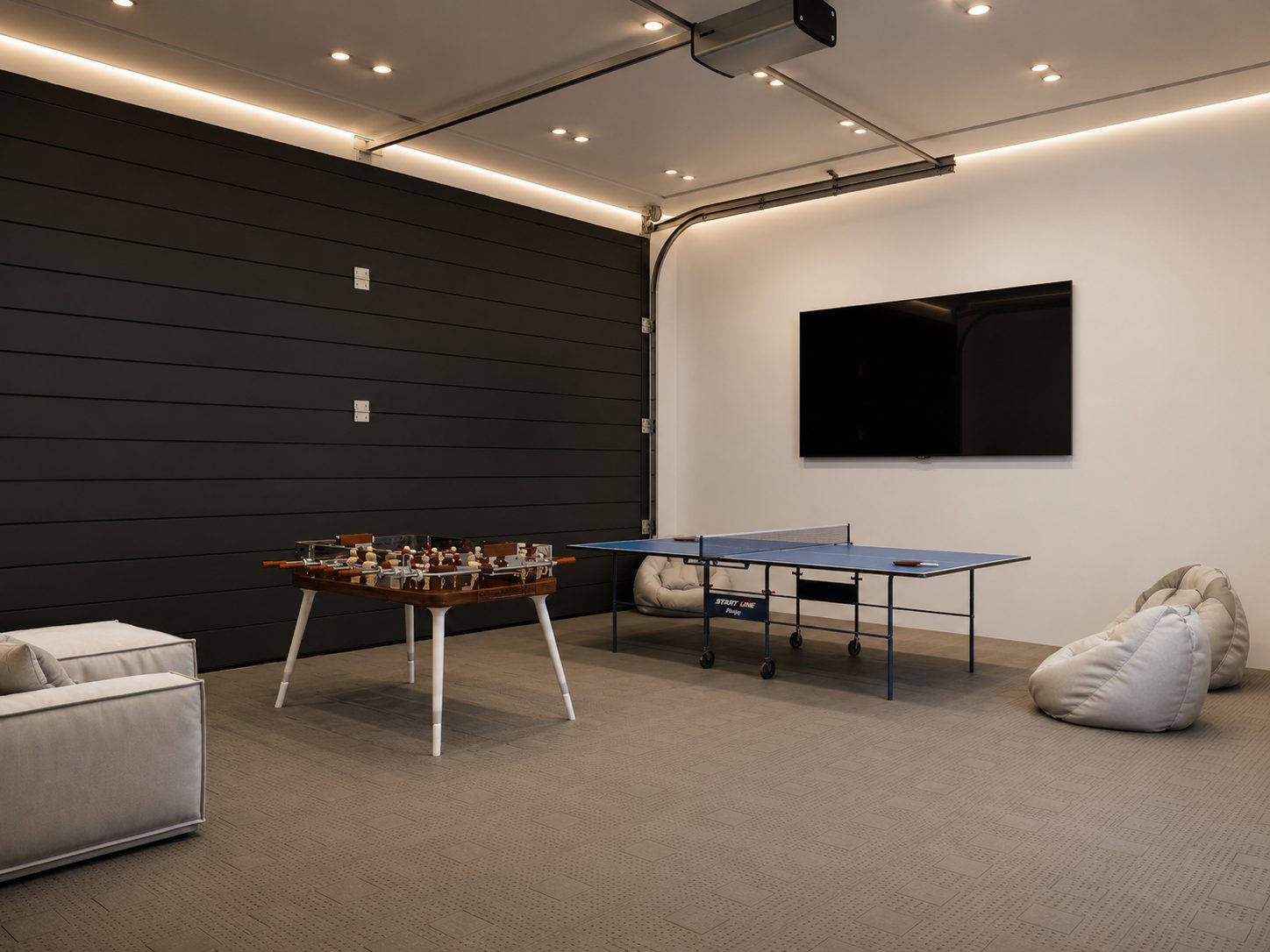
Famous interior design companies in Dubai, grouped by what they actually deliver
Search "Dubai top interior designers" and the same eleven or twelve names repeat. The positioning below comes from each practice's own published portfolio and public profiles, not from our commercial relationship with any of them. Team sizes and studio locations change, so verify before you brief.
- Bishop Design by Paul Bishop has run hospitality and F&B interiors from Dubai and Miami studios since 2004, with SLS Dubai and Bagatelle on its record. It is the wrong call for a single apartment renovation, or any brief without an operator behind it.
- Godwin Austen Johnson (GAJ) pairs architecture with interiors, MEP and lighting under one consultancy: 110+ staff, in Dubai since 1991, with Dubai Creek Golf Club and One&Only Royal Mirage on its list. Skip it for small residential fit-outs, where full consultancy fees outweigh the build.
- Aedas Interiors works large commercial, workplace and mixed-use projects at developer scale, not private homes or boutique retail.
- Hirsch Bedner Associates (HBA) specifies FF&E at operator standard for hotels and resorts globally. Residential work, and anything on a three-month programme, sits outside its lane.
- Wilson Associates covers resort and hotel interiors across the Gulf. Apartments, villas and small commercial jobs are not its market.
- XBD Collective, founded in 2015 with 110+ staff across Dubai, London and Kochi, handles luxury residential and hospitality for clients such as Emaar, DAMAC and Rixos Residences. Budget-led projects where the design fee has to stay under AED 40,000 are the wrong fit.
- CK Architecture Interiors works villa and mansion-scale residential, including Casa Del Sole on Palm Jumeirah, and is a poor match for rental-yield refurbishments.
- Luxury Antonovich Design leans classical and neo-classical, heavy on marble and gilded joinery. It is not the firm for restrained contemporary interiors or a tight budget.
- Zen Interiors stays residential: apartments, villas and penthouses. It does not take on hospitality, F&B or large commercial work.
- ANARCHITECT runs architecture-led, minimal, highly detailed projects. Fast turnkey work, where the programme drives every decision, is the wrong fit for it.
- Dress The Space handles boutique residential styling and smaller design packages, not structural reconfiguration or full MEP redesign.
Read that list by what each name is built for and where it stops. The hospitality practices at the top are the famous interior designers in Dubai in the trade-press sense, because hotels and restaurants generate the photography and the awards. Their strength is operator standards: FF&E schedules that survive commercial laundry, seating layouts checked against covers per hour, back-of-house that a chef can work in.
The residential group is where private owners in Palm Jumeirah, Emirates Hills, Dubai Hills and The Meadows actually spend. Here the differentiator is taste and follow-through rather than scale. CK Architecture and Luxury Antonovich sit at the ornate end, XBD leans contemporary luxury, Zen Interiors covers upper-mid residential without the mansion premium.
The boutique end matters more than the listicles admit. A two-person studio with a strong eye will give a 110 m² apartment more attention than a 110-person practice ever will, because your project is 40% of their month instead of 2%. The trade-off is capacity: one designer on holiday during your joinery approvals costs you three weeks.
What the best interior designers in Dubai charge
Design and build are two separate lines on your budget, and confusing them is the most common reason owners feel misled later. The bands below are reported Dubai market ranges from published design and fit-out guides, not our rate card.
- Design only, studio or 1BR — AED 10,000 to 25,000. Layouts, concept, mood boards, basic material selection.
- Design only, 1 to 2BR full package — AED 25,000 to 60,000. Detailed drawings, joinery design, lighting and finish schedule.
- Design only, villa — AED 80,000 to 350,000+. Full package including landscape and MEP coordination.
- Design fee per square metre — AED 120 to 550. Varies with drawing depth and how much site supervision is included.
- Design fee as % of build cost — 8 to 15%, up to around 20% with procurement. The common structure for luxury residential.
- Fit-out per square foot — AED 75 to 400+. Moves with finish level, joinery volume and MEP scope.
Our own numbers sit alongside those bands. A DOMECO design project starts at AED 10,000 and takes three to six weeks. Cosmetic renovation starts at AED 1,500 per m², capital renovation at AED 3,000 per m², and full turnkey delivery with furniture, appliances and decor runs AED 8,500 to 16,000 per m². The figure is fixed in the contract, and there are no top-ups introduced after works start.
Two things move a quote more than anything on a mood board: joinery metres and MEP scope. A kitchen, three wardrobes and a dressing room can absorb 30 to 40% of an apartment budget on their own. Moving a wet area or adding electrical load pulls in approvals and can add weeks before a single tile is cut. If you want the per-square-foot logic in detail, we broke it down in fit-out cost per square foot in Dubai.

Interior design, fit-out and renovation are three different purchases
Interior design produces drawings and specifications. Fit-out is the physical execution of those drawings inside an existing shell, including partitions, ceilings, flooring, joinery, electrical and plumbing. Renovation is fit-out applied to a space that is already finished and usually already lived in, which means demolition, protection of neighbouring units and working around a handover date.
Most disputes we get called into are handover disputes between these three scopes. The designer's package was priced for concept and 1:50 layouts. The contractor needed 1:5 joinery shop drawings, ceiling coordination against the fan coil units, and a lighting layout that matched actual driver locations. Nobody paid for that gap, so somebody improvised it on site.
DOMECO runs design and build under one contract with our own site crew, sourcing joinery through vetted workshop partners rather than farming out the whole job, which is why we can quote a fixed figure and a delay penalty per day of overrun. That structure is not automatically better than hiring a famous designer plus a separate main contractor. It is better when your priority is a predictable date and a single point of accountability. It is worse when you specifically want a signature aesthetic from a studio whose whole value is that aesthetic. Delivered work across City Walk, Dubai Hills Mall, Creek Address, Downtown Boulevard, Palm Jumeirah and JLT Office is on our projects page, and you should ask any firm on your shortlist for the same, with addresses.
The render-to-site gap nobody photographs
Renders are drawn at zero tolerance. Sites are not. Concrete slabs in older Marina and JLT towers deviate enough that a 2,700 mm floor-to-ceiling joinery run needs a shadow gap or a scribe filler, and if the design does not allow one, your carpenter invents it in front of you.
Four gaps cost real money, in our experience on residential towers:
- Access panels. Fan coil units, water heaters and valves need reachable access. Designs that bury them behind seamless plasterboard get opened up by the building's maintenance team within the first year.
- Electrical load. Adding an electric hob, an outdoor kitchen or a bigger AC zone can require a DEWA load application. That is not a same-week item.
- Lead times. Imported Italian kitchens and stone commonly land at 10 to 16 weeks from order. Comparable joinery from a local workshop typically runs 4 to 6 weeks. A designer specifying imports without checking your programme has just extended it.
- FF&E responsibility. Somebody has to place orders, take delivery, inspect for transit damage and store furniture while the site is still dusty. If that is not written into a scope, it defaults to you.
The last one is where "designer separate, contractor separate" hurts most. The designer specifies, you buy, the contractor refuses responsibility for a sofa that arrived with a torn arm. Ask in writing who procures FF&E and who signs for it.
Realistic programmes for Dubai projects
Design takes three to six weeks for an apartment package. Approvals add two to six weeks depending on the authority and the building. Construction on an apartment of 90 to 150 m² runs two to four months for a straightforward scope, and a 150 m² apartment renovation with structural or wet-area changes realistically spans two to six months end to end.
Villas run longer. Five to nine months including approvals is the honest range for a full villa interior, and that assumes decisions arrive on time. Owner indecision on stone and joinery finishes is the single largest schedule risk we see, ahead of permits.
Local conditions bite in specific ways. Occupied towers usually limit works to weekday daytime hours set by the management company, with restrictions on noisy trades and booked service-lift slots for material movement. Summer heat and humidity affect screed drying, paint curing and the timing of any external or terrace work, and Ramadan shortens site hours. A programme that ignores all of that is a marketing programme.
Permits, and who is supposed to file them
Your building's management company or developer comes first, before any authority. They issue the NOC, hold a refundable fit-out deposit (commonly in the AED 2,000 to 10,000 range in residential towers, higher in commercial), approve working hours and check that your contractor is insured and registered with them.
Then the jurisdiction decides where drawings go. Most freehold and leasehold areas fall under Dubai Municipality. Palm Jumeirah, Dubai Investment Park, Jebel Ali and Discovery Gardens fall under Trakhees. TECOM districts including Dubai Media City, Internet City and Dubai Design District go through the Dubai Development Authority. Adding partitions in a tower can also trigger Civil Defence review because sprinkler and detector coverage changes. The routes and documents for each authority are worth mapping out separately before you submit anything.
Design consultancies stamp and submit drawings. They generally do not chase the management company, book the lift, or hold the contractor's insurance file. The party executing the work handles that, and you should confirm who it is by name before signing anything. On a new build still inside its developer defects liability period, also check what touching MEP does to your cover, because uncoordinated works can void it.
Red flags, and the questions that separate real firms from good websites
Verification is faster than reputation-checking. Dubai's Department of Economy and Tourism lets you check any trade licence, and you want three things confirmed: the licence is active, the registered name matches the company on your quotation, and the licensed activity actually covers interior design or contracting. Separately, contracting work in Dubai requires registration in the unified Dubai Municipality contractor register introduced under Law No. 7 of 2025, with reported fines up to AED 100,000 for a first offence of operating without it. Ask for the register entry, not only the licence PDF.
Walk away, or at least slow down, when you see:
- No valid DET trade licence, or an activity list that does not include the work being quoted.
- A portfolio of renders with no completed project you can visit or verify by address.
- An advance payment demand above 30% of the contract value.
- Refusal to give you two past clients to speak to.
- No named answer to "who supervises my site, and how often are they there".
- A quotation with lump-sum lines and no material specifications or quantities.
Five questions worth asking before signature: who prepares shop drawings and at what scale, who procures and receives FF&E, what happens to the price if a material is discontinued mid-project, what the delay remedy is and who submits and follows up the permit. Our own contracts fix the price and carry a percentage penalty for each day of overrun plus a one-year warranty on works, and any firm you shortlist should be able to state its equivalent in one sentence. If it cannot, the number you were quoted is an opening position.
FAQ
How do I choose the best interior designer for my villa in Dubai?
Match the practice to your budget band and your finish direction before you look at awards. For a villa above roughly AED 1.5 million in build value, residential specialists such as XBD Collective, CK Architecture or Luxury Antonovich are in the right bracket, while a design-and-build contractor running its own site crew on a single contract is usually more efficient below that. Ask for two delivered villa addresses in a comparable community and speak to those owners.
How much does interior design cost in Dubai?
Reported market bands put design-only fees at AED 10,000 to 25,000 for a studio, AED 25,000 to 60,000 for a one or two-bedroom package, and AED 80,000 to 350,000 or more for a villa. Per-area fees run AED 120 to 550 per m², or 8 to 15% of build cost, rising to around 20% when the designer also handles procurement. Our own design projects start at AED 10,000.
What is the difference between interior design and fit-out?
Design produces drawings, specifications and material schedules. Fit-out is the construction that turns those documents into a finished space, including partitions, ceilings, joinery, electrical and plumbing. A design fee does not include construction, and a fit-out quote based on someone else's concept usually excludes the detailed shop drawings needed to build it.
How long does an interior design project take in Dubai?
Design packages take three to six weeks for an apartment. Add two to six weeks for approvals, then two to four months of construction for a typical apartment and five to nine months for a villa including approvals. Late owner decisions on stone, joinery and lighting are the most common cause of overrun.
Are interior designers licensed in Dubai, and how do I verify it?
Yes. Interior design companies hold a Department of Economy and Tourism trade licence, and companies performing contracting or fit-out work also need to appear in the Dubai Municipality contractor register. Ask for the licence number, check it on the DET verification service, and confirm the activity covers the scope you are buying before you sign anything.
What should I ask an interior designer before hiring?
Who produces shop drawings and at what scale, who procures and receives furniture, who supervises the site and how often, who submits permits and follows up with the management company, and what happens to the price if a specified material is unavailable. Get the answers in the contract rather than in a meeting.
Do interior designers in Dubai handle Dubai Municipality permits?
Design consultancies normally prepare and stamp the drawings for submission, but the party executing the works usually carries the permit process, the management company NOC, the insurance file and the fit-out deposit. Confirm in writing which company does what, because a gap here stops the site before demolition starts.