

TL;DR: Smart home infrastructure is a first-fix decision. You need two Cat6A drops per room, a neutral in every switch box, power at curtain heads and a ventilated rack position, all before plaster. Market bands run AED 8,000 to 20,000 for a 1BR and AED 80,000 to 250,000 for a villa. Retrofitting later costs three to ten times more.
Smart home wiring is a first-fix decision, not a shopping decision
We are a fit-out contractor, not an automation integrator. We do not sell you KNX hardware and we have no margin in the brand you pick. What we do own is the two-week window in your programme when the walls are open, and that window decides which systems remain possible in your flat for the next decade.
The sequence is fixed and nobody bends it. Design and drawings, then strip-out, then first fix, when every cable, conduit and back box goes into open walls and slab voids. Then plaster, screed and finishes. Then second fix, when switches, sockets, keypads and end devices land on the surfaces. Then commissioning, when the integrator programmes scenes and hands over an app. Plaster is the hard line. Once it cures, your cable schedule is frozen, and every change after that means cutting, patching, repainting and losing days.
The mistake we see most often has nothing to do with technology. An owner signs a renovation contract in March, moves in during August, then decides in October that motorised blinds would be good. There is no power at the pelmet, no neutral at the switch, and the only remaining options are battery blinds that need charging twice a year or a chased wall in a finished bedroom.
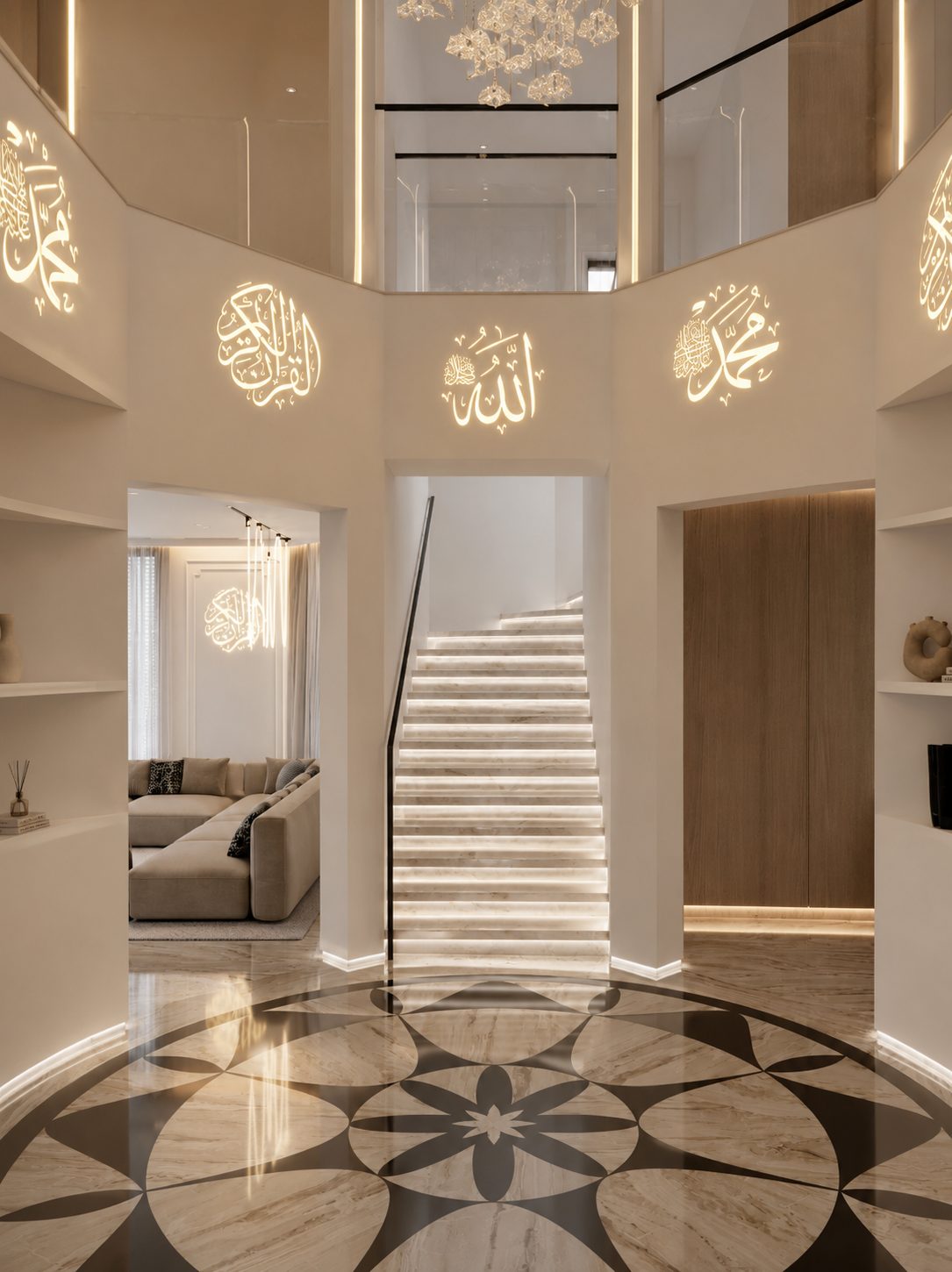
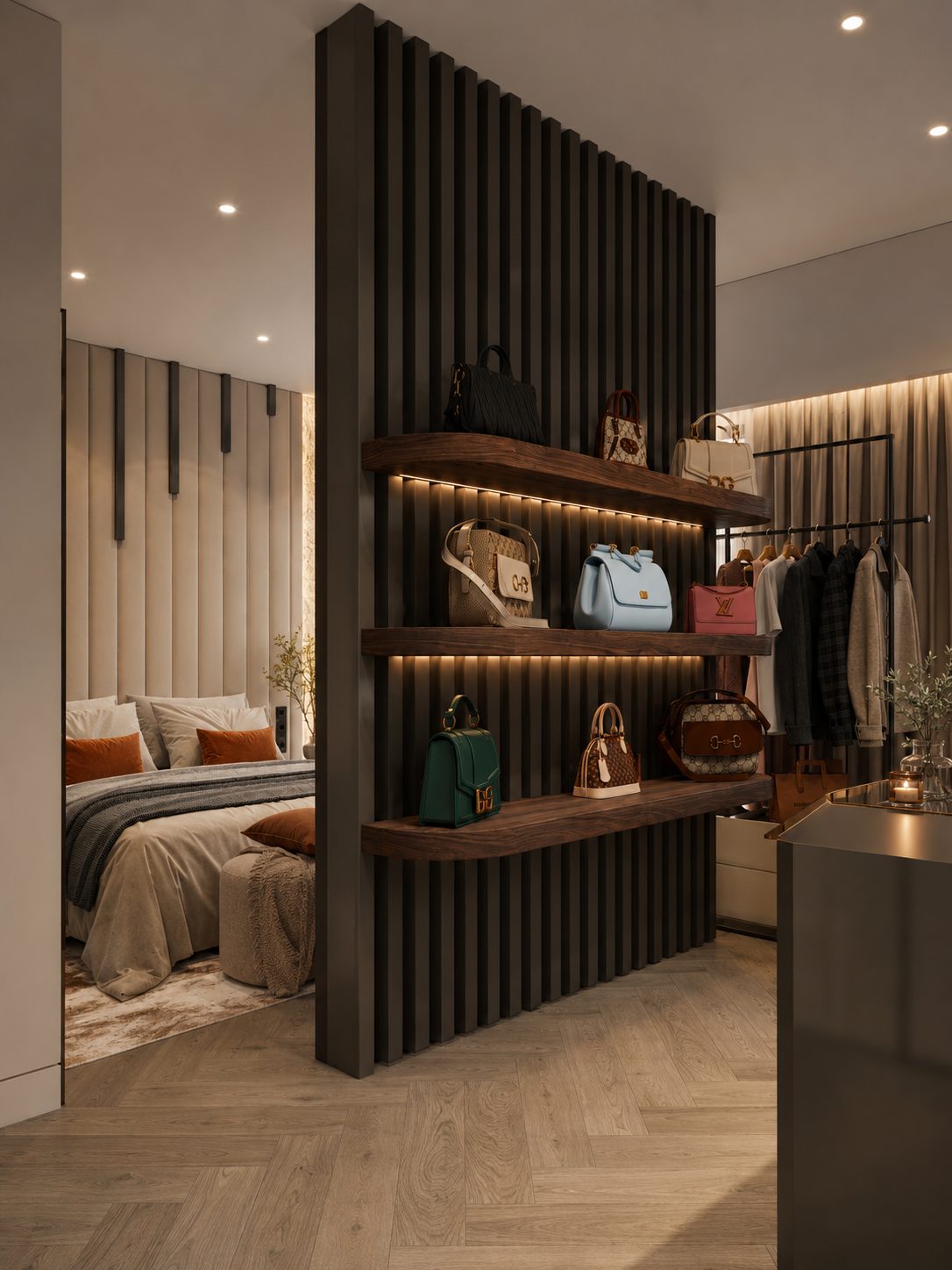
What goes into the walls before plaster
The first-fix list below keeps every system on the market available to you rather than locking the project to one brand, and it adds a modest amount to the electrical package rather than a separate budget line.
- Two Cat6A outlets per habitable room, four in a study or media room, terminated at both ends and tested. Cable is cheap while the wall is open; a second visit is not.
- A neutral conductor pulled into every switch back box, including the ones you think will never carry anything clever.
- A fused 3-pin outlet or driver position at each curtain and blind head, concealed in the pelmet or bulkhead, with an isolator you can reach.
- Cat6 with PoE reserved at each camera position, the video door station, the gate, and every ceiling Wi-Fi access point.
- A rack or enclosure position with ventilation, a dedicated circuit and enough depth for a 400 mm deep switch and NVR. A network cupboard with no airflow in a Dubai summer is a failure waiting for July.
- Spare conduit with draw wire between the rack, the distribution board and the ceiling voids on each floor.
- Deeper back boxes, typically 47 mm or more, where keypads or bus devices might sit later.
Two Dubai constraints shape how those cables actually run. Apartment slabs in most towers are post-tensioned, so nobody is chasing the ceiling for cable routes; horizontal runs live in the gypsum void or in the screed, and your ceiling design has to leave that void alive. And climate control differs by building type, with chilled-water fan coils in towers and ducted split systems in villas, which means the thermostat wiring your integrator expects may not be the wiring your building has. Both questions get answered on the drawings, not on site with a hammer drill.
The neutral wire problem in Dubai switch boxes
This is the single item that kills more retrofit projects than any other. Older UAE apartment wiring frequently runs a switch loop with live and switched-live only, no neutral at the switch position. Almost every mains-powered smart switch on the market needs that neutral to power its own radio and processor.
No neutral leaves you with three exits, none of them free. Smart bulbs in every fitting, which means the wall switch must stay permanently on and any guest who flips it breaks the room. An in-line relay module hidden in the ceiling rose or the fitting itself, which works but needs access above the light. Or opening the wall to pull one extra conductor, which on a finished flat means the chase, the patch and the full-wall repaint, because paint never matches.
Pulling a neutral into forty back boxes during first fix is close to a rounding error inside the electrical package. Doing it afterwards on the same forty positions is a small project with its own dust screen.

Retrofit versus wired: when wireless is the honest answer
The 3x to 10x multiplier for retrofit against first-fix installation is real, and it is not a scare figure invented by contractors. The cable itself is a small part of any smart home cost. The expensive part is access, and access is what the plaster took away.
That said, wired is not automatically the right answer. If your flat is a rental asset getting a cosmetic refresh at around AED 1,500 per square metre, walls staying closed, tenants arriving in six weeks, then a wired bus system makes no financial sense. Buy Wi-Fi, Zigbee, Z-Wave or Matter devices, accept that they live in an app rather than in the fabric of the building, and take them with you when the tenancy ends. Wireless is also the only defensible option in a flat you rent, since it changes nothing behind the paint.
Where wired earns its money is a capital renovation from around AED 3,000 per square metre upward, a villa, or any home you intend to hold for more than five years. On the 5BR+ villa in Dubai Hills we took through a full turnkey programme, the cabling decisions made in the first three weeks defined what the client could add in years two and three without touching a wall. Scope, sequence and the money attached to each stage are what we fix in the contract before anyone starts cutting; the way we structure that is set out in our services.

KNX, Control4, Lutron or Loxone, and what each does to your programme
Four platforms cover most residential work in Dubai, and the choice matters to us mainly because each one makes different demands on the first fix.
KNX is the open standard behind a large share of mid-market and premium villa work here. It runs on a dedicated bus cable that must be pulled at first fix, and it wants panel space and clean segregation from mains. Multiple vendors can service it later, which is why KNX in Dubai survives owner changes and integrator disputes better than closed systems.
Control4 is the usual answer when the brief includes a media room, distributed audio and a proper cinema. It brings AV routes, HDMI or fibre runs and serious rack cooling into the first fix, so the joinery and the ceiling void have to accommodate it from the drawing stage.
Lutron is a lighting-first system with strong dimming performance, which matters because dimmer-driver compatibility is a genuine source of flicker and buzz. That compatibility list needs to be agreed before the lighting schedule is ordered, not after the fittings are on site.
Loxone is single-vendor and typically lands lower in cost than a comparable KNX design. It centralises logic at the panel, which shifts more cable back toward the distribution board and makes panel sizing a first-fix question rather than a second-fix surprise.
Wireless ecosystems built on Wi-Fi, Zigbee, Z-Wave, Matter or HomeKit sit in a different category. They require nothing from us at first fix beyond good Wi-Fi coverage, which is precisely their advantage and their ceiling.
Home automation cost in Dubai and how to phase it
The bands below are Dubai market ranges reported for installed smart home systems, not our rate card. They cover hardware, programming and commissioning by an integrator, and they sit on top of the renovation budget rather than inside it.
- Studio or 1BR, lighting and basic control: AED 8,000 to 20,000
- 2BR to 3BR apartment, lighting, climate, blinds, entry: AED 25,000 to 60,000
- Villa, 4 to 6 bedrooms, full system with security and audio: AED 80,000 to 250,000
- Luxury villa on Palm Jumeirah or in Emirates Hills with cinema and full AV: AED 250,000 to 500,000 and above
Very few owners spend the top of their band on day one, and none of them need to. The phasing that works is to buy infrastructure now and hardware later. Cable, conduit, neutrals, back boxes and the rack position are a small fraction of the total system cost and they are the only part with a genuine deadline. Devices, keypads, cameras and the cinema can arrive in year two or year four at whatever the market charges then, and they will arrive without a single wall being opened.
The one exception worth budgeting for immediately is anything structural to the finish. Blind pelmets, in-ceiling speakers, flush keypad boxes and concealed rack joinery are carpentry and plaster decisions, and adding them later means redoing the finish that hides them.
DEWA, the building and what you can do in a rented flat
Electrical modification in Dubai goes through a DEWA-registered contractor, who prepares the drawings, submits for approval and calls the inspection before anything is energised. Approval for small residential jobs is commonly quoted at three to seven working days, though it sits behind your building NOC in the queue, so treat it as part of a longer approvals block rather than a standalone week. The full sequence and where approvals actually eat calendar is covered in our apartment renovation timeline.
Your owners association adds its own layer. Towers set working hours, insist on contractor insurance and gate pass registration, and some restrict any work touching the riser or the distribution board. In developer-handed-over communities the video intercom and concierge call system usually belong to the building rather than to you, and replacing that door station with a third-party panel is the fastest way to lose your NOC. The workaround is to integrate rather than remove, keeping the developer's station live and adding your own layer behind it.
Tenants have a narrower field. In a rented flat you can change nothing behind the paint without written landlord consent, and most landlords will not give it for cabling. Wireless devices, plug-in modules and battery blinds are the realistic set, and they leave with you. If you own the unit and plan to rent it out, the honest read is that automation rarely raises achievable rent in Dubai; wire it for yourself, not for the listing.
If you are pricing a renovation now and want the smart infrastructure agreed before the walls close, the completed apartments and villas behind this article are in our Dubai projects, and the fastest route to a scoped quote is a conversation with our team.
FAQ
When is the best time to install smart home wiring?
During first fix, after strip-out and before plastering, when every wall and ceiling void is open. That window typically lasts two to three weeks on an apartment and longer on a villa. Cable pulled in that period costs a fraction of the same cable installed into finished rooms.
How much does a smart home cost in Dubai?
Reported market bands run AED 8,000 to 20,000 for a studio or 1BR, AED 25,000 to 60,000 for a 2BR to 3BR apartment, and AED 80,000 to 250,000 for a four to six bedroom villa. Luxury villas with cinema and full AV run from AED 250,000 upward. Those figures cover integrator hardware and programming, separate from renovation cost.
Can I add a smart home after the renovation is finished?
Yes, using wireless devices on Wi-Fi, Zigbee, Z-Wave or Matter, provided each switch position has a neutral. Anything needing new cable means chasing walls, patching and repainting, which is where the three to ten times cost multiplier comes from. Ceiling-mounted access points and cameras are usually the hardest additions after handover.
What is the difference between first fix and second fix?
First fix is everything that goes into open walls and voids before plaster: cables, conduit, back boxes, pipework. Second fix is everything mounted on finished surfaces afterwards: switches, sockets, keypads, light fittings, sanitaryware. Smart home decisions belong to first fix; only the visible hardware belongs to second fix.
Do I need DEWA approval for smart home installation?
Any work touching the distribution board, adding circuits or altering fixed wiring goes through a DEWA-registered contractor with approved drawings and an inspection before energising. Plug-in smart devices and battery-powered blinds do not. Your contractor confirms the scope before pricing, because the answer changes with how much of the fixed installation you are touching.
Can I install a smart home in a rented apartment in Dubai?
Only wireless equipment that leaves the wiring untouched, unless your landlord gives written consent for cabling work. Smart bulbs, plug modules, battery blinds and standalone cameras all qualify. Replacing wall switches requires a neutral at the switch box and, strictly, landlord permission, since it is a modification to the fixed installation.
KNX, Control4 or Loxone, which should I choose?
KNX for open-standard lighting and climate on mid to premium villas, where multiple integrators can service it later. Control4 when the brief centres on media rooms, distributed audio and cinema. Loxone when you want a single-vendor system at a lower installed cost and accept the vendor lock. Decide before first fix, because each one asks for different cable at the same moment.